

CIVIL DISOBEDIENCE MOVEMENT
โข The Lahore Congress of 1929 had given the mandate to launch civil disobedience movement along with the non-payment of taxes.
โข Mahatma Gandhi presented his 11 demands to the Viceroy Lord Irwin and gave him the ultimate of January 31, 1932 to acccept his 11 demands.
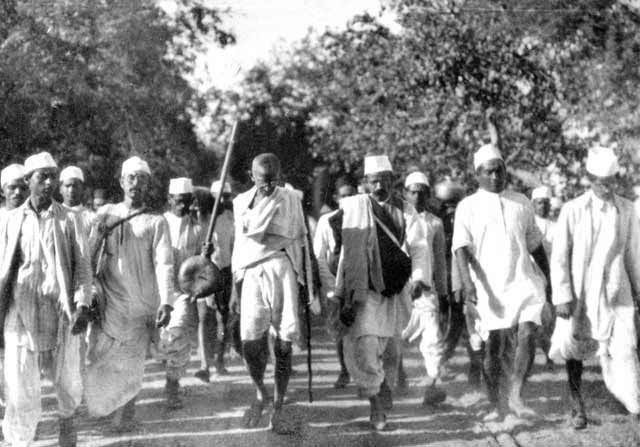
โข In Tamil Nadu, C. Rajgopalchari led a march-similar to the Dandi marchfrom Trichinopoly to Vedaranyam.
โข In Dharsana, in Gujarat, Sarojini Naidu, led non-violent satyagrahis in a march to the salt depots owned by the government.
โข Khudai Khidmatgars movement, led by Khan Abdul Ghaffar Khan, also known as Badshah Khan and the โFrontier Gandhi,โ nonviolently mobilized to oppose the British in Indiaโs Northwest Frontier Province.
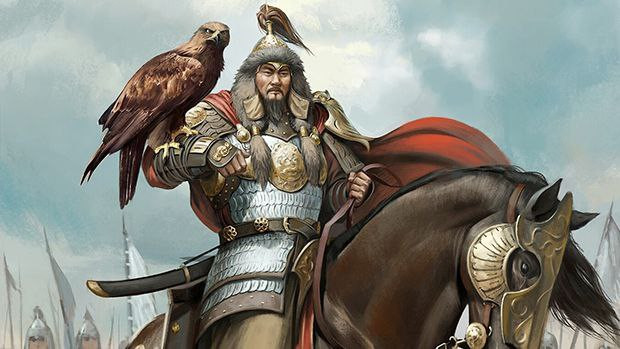
Genghis Khan was the founder and first Great Khan of the Mongol Empire, which became the largest contiguous empire in history after his death. He came to power by uniting many of the nomadic tribes of the Mongol steppe and being proclaimed the universal ruler of the Mongols, or Genghis Khan.
Section Two 2
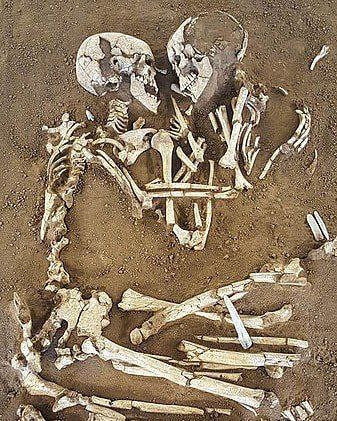
Archaeologist Elena Maria Menotti led the excavation. The pair are a male and female no older than 20 years old at death and approximately 1.57 m (5 ft 2 in) in height. The male skeleton was found with a flint arrowhead near the neck. The female had a long flint blade along the thigh, plus two flint knives under the pelvis. Osteological examination found no evidence of violent death, no fractures, and no microtrauma, so the most likely explanation is the flint tools were buried along with the people as grave goods.
The skeletons were displayed briefly in public for the first time in September 2011 at the National Archaeological Museum of Mantua, thanks to the effort of the association Lovers in Mantua which was seeking a permanent home for the ancient couple.
Seven years after their discovery, on 11 April 2014, they were permanently displayed inside a glass case in the museum, which is within the perimeter of the Ducal palace of Mantua.[4][6]
Section One 1
The Lovers of Valdaro, or Valdaro Lovers (Italian: Amanti di Valdaro), are a pair of human skeletons dated as approximately 6,000 years old. They were discovered by archaeologists at a Neolithic tomb in San Giorgio near Mantua, Italy, in 2007. The two individuals were buried face to face with their arms around each other, in a position reminiscent of a "lovers' embrace".
Danny Optimal
Delete Comment
Are you sure that you want to delete this comment ?