
History
The origins of the classic car hobby, much like the invention of the wheel or the sandwich, are shrouded in mystery. This passion began when extraordinary automobiles transcended their role as mere transport tools and started being cherished as historical treasures. This appreciation evolved into a worldwide movement, highlighted by classic car gatherings, specialized auctions, and digital platforms like Dyler, dedicated to classic car enthusiasts.
Tracing back the roots of the classic car community leads to the establishment of the first clubs dedicated to vintage vehicles. The Veteran Car Club of Britain, formed in 1930 by three pre-1905 automobile enthusiasts, stands as a pioneer in this domain. This club aimed to bring together vintage car aficionados and organize thematic events. Echoing this sentiment, the Antique Car Club of America, established in 1935, shares a similar purpose and vision, serving as a cornerstone for classic car enthusiasts in the United States.
Back in the late 1920s and 1930s, the car world hit a rough patch. The Great Depression forced legendary names like Auburn, Cord, and Duesenberg out of business, and the art of coachbuilding in America began to fade. As the golden age of luxury cars slipped away, enthusiasts stepped in — determined to save these machines before they disappeared. Their passion gave rise to car clubs, especially in the U.S., which became some of the strongest voices in preserving classic car history.
Design: Art on Wheels
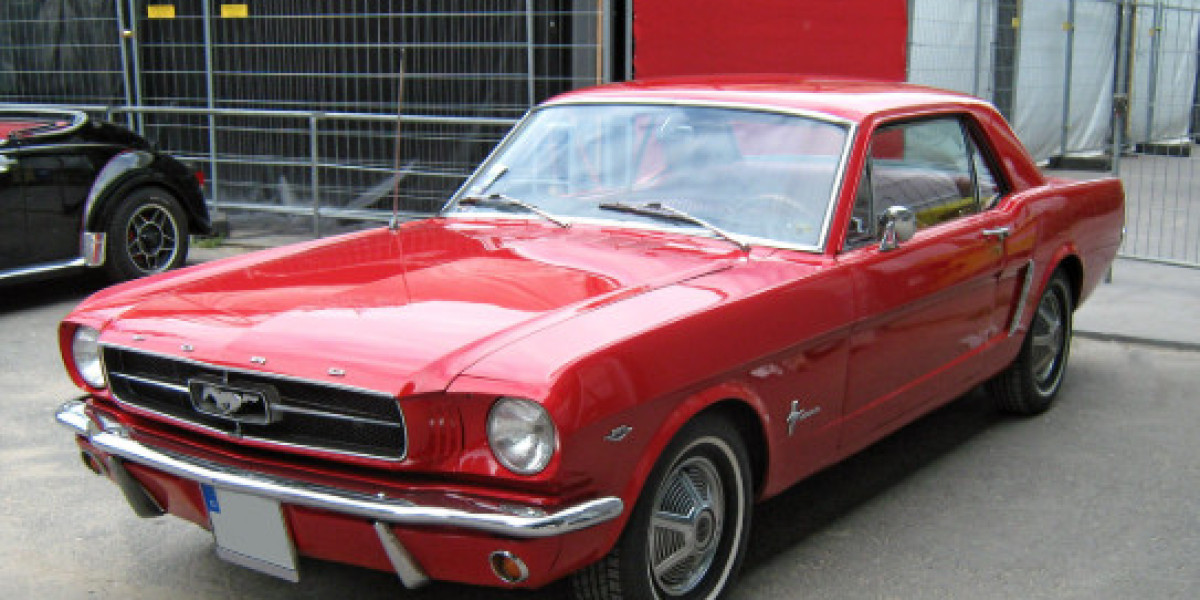
Classic cars stand out because of their unforgettable designs. From the elegance of the Jaguar E-Type and Aston Martin DB5 to the raw power of the Dodge Charger and Ford Mustang, each tells its own story. The Mercedes 300SL Gullwing with its unique doors and the Corvette Stingray with its sporty edge show just how creative car design could be. What makes these classics so special are their shapes, craftsmanship, and engines — timeless details that turned them into true icons of their era.
Classic cars have a magic that goes far beyond engines and speed; their true charm lies in the details. Every curve, grille, and dashboard dial reflects the creativity and craftsmanship of a golden era in automotive history. Automakers gave each car its own “face” through distinctive grilles and round headlights, making models instantly recognizable on the road. The post-war years brought dramatic tailfins that captured the optimism of the space age, while sculpted rear designs like those of the Corvette Stingray added sleek elegance and aerodynamics.
Inside, classic cars offered interiors that were both functional and beautiful. Analog dashboards filled with unique dials and switches gave drivers a sense of connection, blending simplicity with character. Spacious bench seats, wrapped in vinyl or leather, brought comfort and personality, while chrome accents tied the cabin together with a touch of luxury. On the outside, details like whitewall tires and wire-spoke wheels added sophistication, and even door handles or hood ornaments were crafted as miniature works of art.
These features were never just about decoration. They symbolized an era when cars were built with individuality, heart, and imagination. That is why classic cars remain so captivating today: they are not only machines, but timeless expressions of design, culture, and passion.
Significance: More Than Metal
The Timeless Significance of Classic Cars
Classic cars have always held a special place in my heart, and I know I’m not alone. For many of us, these machines are more than just vehicles — they’re memories, stories, and a direct connection to the past. Sure, they have beautiful designs and characterful engines, but what really makes them timeless is the history and culture they carry with them. From a graceful Aston Martin to the raw power of a Mustang, classics remind us of an era when cars had soul.
Preserving Automotive Heritage
I’ve always believed that heritage isn’t just about looking back; it teaches us lessons for today and tomorrow. Classic cars are rolling pieces of history, living artefacts that show how design and engineering have evolved. A vintage Rolls-Royce speaks of elegance and prestige, while a muscle car roars with power and rebellion. Together, they preserve a legacy that future generations can look back on — and hopefully learn from.
Celebrating Automotive Design
Another reason I find classics so important is the design. Take one look at the curves of a Jaguar E-Type or the simplicity of a Volkswagen Beetle and you can’t help but admire the creativity. These cars were made in an era when designers weren’t afraid to push boundaries. They gave us shapes, details, and styles that still inspire people decades later.
Fostering a Sense of Community
Owning or restoring a classic is never a solo journey — it comes with a community. Car clubs, shows, weekend meets — they’re all about bringing people together who share the same passion. I’ve seen friendships form over hood-up chats, and I’ve felt the buzz of a convoy of classics cruising down a scenic road. That sense of connection is something money can’t buy.
Investment and Appreciation
Of course, there’s also the financial side. Some classics do become valuable investments, especially rare or well-preserved models. But to me, their true worth isn’t measured in dollars or auction bids. It’s in the joy they bring, the memories they create, and the pride you feel when someone smiles at your car and says, “I remember when I used to ride in one of those.”
Conclusion
In a world that’s always rushing forward, classic cars give us something steady to hold onto. They remind us of simpler times and bring back a sense of wonder that modern cars sometimes lack. To me, they’re not just machines — they’re symbols of passion, creativity, and heritage. And as enthusiasts, we’re not just owners; we’re custodians of history, keeping the spirit of these incredible cars alive for the next generation.